May is dedicated to vigilance. Because well-monitored skin is protected skin, here are the essentials to remember to take care of yourself and your loved ones.
WHO IS AT RISK ?
Skin cancer can affect anyone, but increased vigilance is required if:
- You have a fair phototype (light skin, eyes, or hair).
- You have numerous moles or a family history of skin cancer.
- You have suffered severe sunburns, especially during childhood.
- You have used UV tanning beds.
DETECTION (The ABCDE Rule)

💡 Key takeaway: Detected early, the vast majority of skin cancers can be cured.
⟶ Early detection is key
Skin Cancer : The Main Forms
Skin cancer is a broad term that mainly includes two large groups: skin carcinomas and melanoma.
-
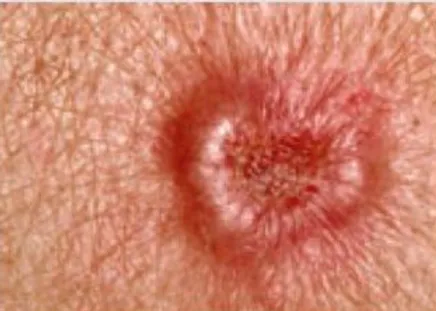
Basal cell carcinoma grows slowly and almost never spreads to other organs, although it can become locally destructive if left untreated.
-
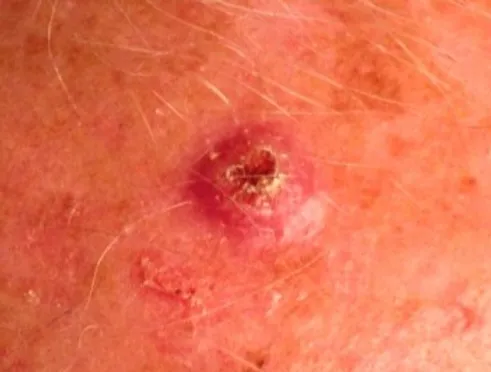
Squamous cell carcinoma has a slightly higher risk of spreading, especially in more advanced cases. Both are mainly linked to cumulative sun exposure and are more common later in life.
-
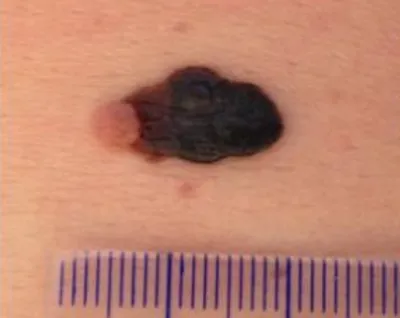
Melanoma is less common but more aggressive. It develops from pigment-producing cells (melanocytes) and has a much higher risk of spreading to lymph nodes or other organs if not diagnosed early.
Unlike BCC and SCC, melanoma can also affect younger patients. Early detection is essential, as melanoma is highly treatable in its early stages.